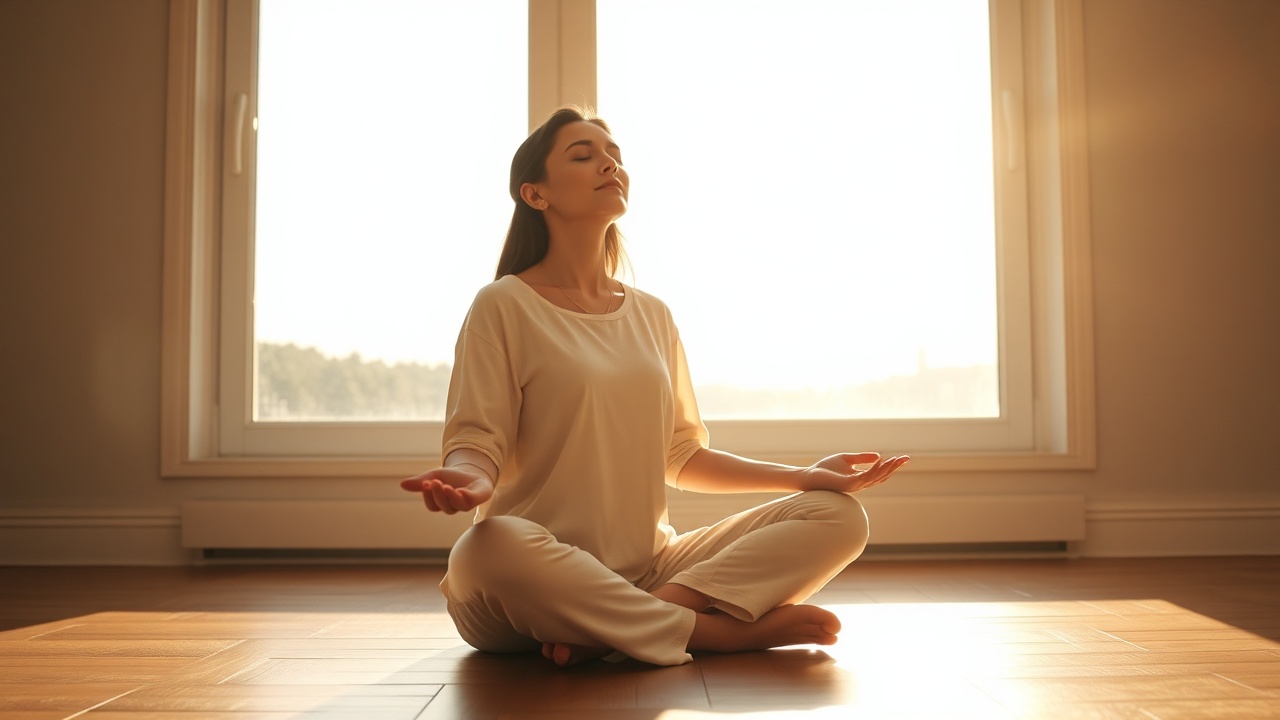
A Beginner's Guide to Breathwork — Starting Simply, Breathing Deeply
By Sarah Jenkins • October 12, 2023
Why Breath is Your Most Portable Wellness Tool
You don’t need a gym membership, expensive equipment, or even a quiet room to begin. The most powerful tool for regulating your nervous system is already inside you, and it’s free to use. Breathwork—the conscious control of your breathing patterns—has been used for millennia in yoga, meditation, and traditional medicine to shift states of mind.
For a beginner, the concept can feel abstract. You might wonder, “Does this actually do anything?” The answer is yes. When you change your breathing, you send a signal to your brain that you are safe. This triggers the parasympathetic nervous system, lowering cortisol levels and reducing anxiety. It is the fastest bridge between a racing mind and a calm body.
"Breath is the bridge which connects life to consciousness." — Thich Nhat Hanh
Whether you are feeling overwhelmed at your desk, struggling to fall asleep, or simply looking to cultivate more presence in your day, breathwork offers a reset button. There is no right or wrong way to breathe, only the way that feels most natural to you. The following techniques are designed to be simple, accessible, and effective for anyone starting their journey.
Three Foundational Techniques
Each of these methods targets a different aspect of your physiology. Try them one at a time to see which resonates with your body.
Box Breathing
Also known as Navy SEAL breathing, this technique is excellent for reducing stress and sharpening focus. It creates a rhythmic balance that calms the nervous system.
4-7-8 Breathing
Developed by Dr. Andrew Weil, this method acts as a natural tranquilizer for the nervous system. It is particularly effective for quieting the mind before bed.
Coherent Breathing
This involves inhaling and exhaling at a rate of five breaths per minute. It synchronizes heart rhythms with respiration, improving emotional regulation and energy.
Step-by-Step Instructions
1. Box Breathing
Inhale, hold, exhale, and hold for equal counts.
- Inhale through your nose for a count of 4.
- Hold your breath at the top for a count of 4.
- Exhale through your mouth for a count of 4.
- Hold the empty lungs for a count of 4.
2. 4-7-8 Breathing
Use this to trigger your body's relaxation response.
- Inhale quietly through your nose for a count of 4.
- Hold your breath for a count of 7.
- Exhale completely through your mouth, making a whoosh sound, for a count of 8.
3. Coherent Breathing
A gentle, rhythmic flow to harmonize your system.
- Find a comfortable seated position.
- Inhale gently through your nose for 5 seconds.
- Exhale gently through your nose for 5 seconds.
- Continue this cycle for 5 to 10 minutes.
Common Mistakes to Avoid
Even experienced practitioners slip up. Here is how to stay on track:
- Forcing the Breath: If you feel lightheaded, slow down. Breathwork should feel expansive, not forced.
- Holding the Breath Too Long: If you feel dizzy, release immediately. The counts (4, 7, 8) are guidelines, not rules.
- Ignoring Discomfort: If you have asthma or a respiratory condition, consult a doctor before practicing deep breathing exercises.
More from Veriflow
The Art of Doing Nothing
Why rest is not laziness, but a necessary component of a creative life.
Morning Pages: A Guide
How to use stream-of-consciousness writing to clear your mind before the day begins.
About the Author
Sarah Jenkins is a wellness writer and certified breathwork facilitator based in Portland, Oregon. She believes that small, consistent habits are the key to a meaningful life. When she isn't writing, she is tending to her garden or hiking the trails of the Pacific Northwest.